
Is mushroom coffee good for you? What is in it and what the label claims mean
Mushroom coffee is regular coffee blended with mushroom extracts. Here is what the research says, who should skip it, and how to read the claims on the bag.
Quick answer
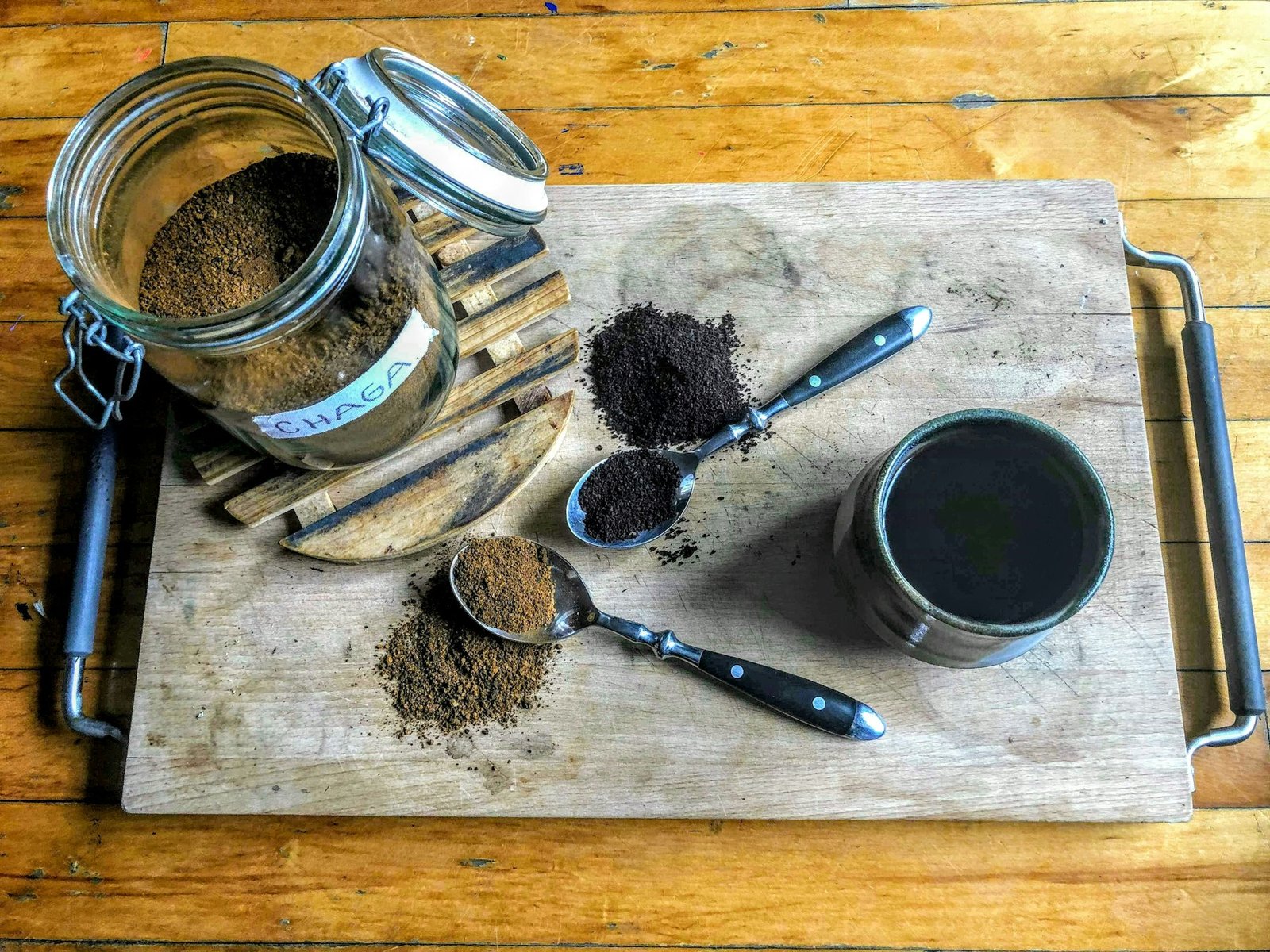
Mushroom coffee is regular coffee blended with mushroom extracts like lion’s mane, chaga, reishi or cordyceps. Cleveland Clinic notes it has less caffeine than regular coffee, but says there is no meaningful research behind the health claims. Its dietitian, Beth Czerwony, isn’t inclined to recommend it.
It is probably safe to try if you don’t have digestive or kidney problems. If you take blood thinners or diabetes medicine, ask your doctor first, because chaga may affect bleeding and blood sugar.
What mushroom coffee is
Mushroom coffee is coffee with dried mushroom extracts blended in. You can buy it as ground coffee, instant packets, pods and ready-made lattes, according to Cleveland Clinic.
The mushrooms you will see most often are reishi, chaga, lion’s mane and cordyceps.
It tastes a lot like regular coffee. “It is, after all, coffee with mushroom extracts blended in,” Czerwony told Cleveland Clinic.
What the research says
Brands say mushroom coffee helps with sleep, stress, inflammation, immunity, memory and energy. Cleveland Clinic says there isn’t much research showing those claims hold true.
The hype rests on an untested idea, Cleveland Clinic says: that the benefits of mushrooms survive processing and brewing with coffee. Its answer is that we simply don’t know.
Whole mushrooms are a different story. Czerwony says you get the same benefits and more, including fiber, when you eat mushrooms as part of your meals.
The research on chaga is thin too. Memorial Sloan Kettering Cancer Center says its safety and efficacy have yet to be evaluated in clinical studies.
How much caffeine is in mushroom coffee
Cleveland Clinic notes that mushroom coffee has less caffeine than regular coffee. For some people, that means fewer jitters and better sleep. The amount varies by brand, so compare labels.
| Drink | Caffeine |
|---|---|
| Regular brewed coffee, 12 oz | 113 to 247 mg |
| Decaf coffee, 8 oz | 2 to 15 mg |
| Mushroom coffee | Varies by brand. Check the label. |
The FDA says 400 mg a day is an amount not generally linked to negative effects for most adults. Signs of too much include a fast heart rate, jitters, anxiety, an upset stomach and trouble sleeping.
Who should skip it or ask a doctor first
- People with kidney problems or kidney stones. Cleveland Clinic says chaga is high in oxalates and can increase kidney stones. MSKCC lists case reports of kidney damage after long-term chaga use.
- People with digestive problems. Cleveland Clinic says mushrooms can sometimes cause digestive issues.
- People on blood thinners. MSKCC says chaga may increase your risk of bleeding.
- People on diabetes medicine. In lab studies, chaga added to the effect of lowering blood sugar, according to MSKCC. What that means in people is not known.
- People who need to limit caffeine. The FDA suggests talking with your doctor about caffeine if you are pregnant, trying to get pregnant or breastfeeding.
How to read the claims on the bag
Read health claims as marketing
A line like “supports focus” is a structure/function claim. The FDA does not approve these claims before they are used. If the product is sold as a dietary supplement, the claim must come with this line: “This statement has not been evaluated by the Food and Drug Administration” (21 CFR 101.93).
Find the amount of each mushroom
Look for milligrams of each mushroom per serving. A “mushroom blend” with one total weight does not tell you how much of each one you get. FDA labeling rules require a proprietary blend to list its ingredients from heaviest to lightest, but they only require the blend’s total weight.
Look for caffeine per serving
If a bag does not list caffeine in milligrams, you can’t compare it with your usual coffee.
Watch the add-ins
Czerwony says there is nothing wrong with mushroom coffee as long as you don’t add a ton of sugar or creamer.
Try one mushroom at a time
If you want to try it, Czerwony suggests one type of mushroom powder at a time. Keep track of any symptoms.
Check the price
Cleveland Clinic says mushroom coffee costs about double what you would pay for average coffee.
FAQ
Is mushroom coffee good for you?
It is probably safe for most people without digestive or kidney problems, Cleveland Clinic says. But there is no meaningful research behind the health claims. Eating whole mushrooms is a better way to get their nutrients.
Does mushroom coffee have caffeine?
Yes, because it is made with coffee. Cleveland Clinic notes it has less caffeine than regular coffee. Check the label for milligrams per serving.
Is chaga safe?
MSKCC says chaga has not been evaluated in clinical studies. It may increase bleeding risk, and there are case reports of kidney damage with long-term use. Ask your doctor first if you have kidney disease or take blood thinners.
Does mushroom coffee help you focus?
There is no good evidence that it does. Cleveland Clinic says there is no meaningful research supporting the health claims made for mushroom coffee.
How much does mushroom coffee cost?
About double what you would pay for average coffee, according to Cleveland Clinic.
A note on ownership. Boldwell’s founder is developing a mushroom coffee brand. That is why this guide does not rank or recommend any mushroom coffee products. Affiliate disclosure
Sources
- Cleveland Clinic: Mushroom Coffee: Is It Healthier Than Your Average Cup of Joe? (2023)
- Memorial Sloan Kettering Cancer Center: Chaga Mushroom
- FDA: Spilling the Beans: How Much Caffeine Is Too Much?
- FDA: Structure/Function Claims
- 21 CFR 101.93: Certain types of statements for dietary supplements
- FDA: Dietary Supplement Labeling Guide, Chapter IV
This page is general information, not medical advice. Check with a doctor before you start a new supplement. Medical disclaimer